News and Media
Media Enquiries
Please direct all media enquiries to Nicola Keen-Biggelaar, Chief Executive, on 021 541 222, nicola@dpanz.org.nz.
Discover drowning insights and water safety learning opportunities
On this page you will find statistics related to drowning fatalities, along with risk factors that lead to drowning. There is information about how to avoid trouble in, on and around the water, as well as what everyone should know how to do if they get into trouble in the water. You’ll also find links to learning opportunities both online, via our eLearning platform, as well as in person water safety courses. While you’re here, check out our latest news.
Drowning Fatalities
The numbers below show a snapshot of drowning fatalities for Tāmaki Makaurau Auckland and Aotearoa New Zealand since records began in 1980.
New Zealand 1980-2024
Auckland 1980
Auckland 2024
New Zealand 2024
High risks for Tāmaki Makaurau Auckland 2019-2023
The highest areas of risk for people in Tāmaki Makaurau Auckland are highlighted below by demographic, activity and environment.
Demographics
Adults, particularly 65 years and over, and especially males are most at risk of drowning.
%
Aged 65+
%
Male
%
Aged 25-65
%
Asian
%
Māori
%
Pacific Peoples
Activity
The three most common activities leading to drowning fatalities are; swimming, immersion (unintentional or unknown entry into the water), and boating.

Swimming
Auckland 33%

Immersion
Auckland 30%

Boating
Auckland 21%
Environment
The beach environment risk continues to grow in Tāmaki Makaurau Auckland. Tidal risk is higher than for the rest of Aotearoa New Zealand, with river risk lower than the rest of the country.

Beaches
Auckland 40%

Tidal waters
Auckland 17%

Rivers
Auckland 13%
How to avoid trouble in, on and around the water
All organisations within the water safety sector are behind the Water Safety Code which offers five ways to be safer when engaging with the water. Before you head out, make sure you are familiar with the code and are prepared in each of the points.
What everyone should know how to do if they get into trouble in the water
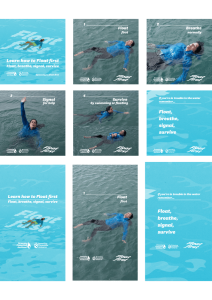
Float first! If you do find yourself in trouble in the water, whether you’ve fallen in, are caught in a strong current/rip, or otherwise feeling unsafe in the water, remember; float, breathe, signal, survive.
Learn how to keep yourself and your loved ones safer
Online modules
Our free online water safety modules for adults cover how to keep yourself safer while engaging in water-related activities, as well as how to develop the water safety skills, attitudes and behaviours of the tamariki (children) and rangatahi (youth) in your life so that they can also enjoy connecting with the water.
In person courses
We offer a range of in person learning opportunities for people of all ages and and level of activity to learn about water safety and improve their water competence.
Stories

Do the 4Rs
Most people in trouble in the water don't drown, but some rescuers do. In the last 30 years 88 people have drowned in New Zealand while attempting to rescue others. It is a little known fact that, in most cases, the original victim survived and the rescuer drowned. In...