Water Safety Tips
The Water Safety Code
Before you head to the water, familiarise yourself with these tips and be water safe.

1. Know how to float
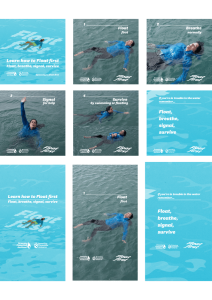
If you get into trouble, float on your back with your ears in the water – this will increase your chances of survival. Relax and breathe normally. If you don’t know how to float, get some lessons and practice before you enter the water.

2. Find the safest place
Take a moment to assess the conditions and look for dangers like strong currents. Find the safest place to get in and out of the water. Places with lifeguards on duty are safest. Listen to the lifeguards and pay attention to warning signs and flags.

3. If in doubt, stay out
Check the weather before leaving home. If you’re unsure about your skill level, the weather, or the water conditions, it’s better to wait for another day. The weather and water conditions can change quickly.

4. Take care of yourself and others
Always go with a buddy and tell someone your plans. When wearing a lifejacket, make sure it fits properly. When children are in or near the water, a responsible adult should be within arm’s reach and watching them carefully.

5. Know how to get help
If you get into trouble, raise your arm and call out for help. If you see someone who needs help, call 111 and ask for Police.
Download Water Safety Code posters to share these important messages. Download Water Safety Easy Read.
We’ve gathered more useful water safety tips to help you enjoy your favourite water-related activity.

Boating Safety
Know how to be safe on the water, in all sorts of craft, before you launch.

SUP Safe
If you’re new to the sport, or even if you’re an experienced water person, check out the SUP Safe code before your next paddle.

Open Water Swimming
Open water swimming often takes place where there are no lifeguards. Take the time to prepare before every swim.

Land Safety
Many of our tracks include river crossings and time by our beautiful waterways. Be prepared with these land safety tips.

Rock-based fishing
Off to catch some fish from the rocks? Be prepared by reading these tips for safer rock-based fishing.

Float first
Knowing how to float can be the difference between life and death. Learn how to ‘Float first’ so you know what to do if things go wrong.