Westhaven, Auckland – Drowning Prevention Auckland, the lead agency for water safety coordination and education in the Auckland region, wants to share its four main messages to remember this summer.
Sadly, in 2017 22 people died in preventable drowning incidents in Auckland, double that of 2016. Most (68%) of the drownings in Auckland were male, and almost a quarter (23%) each were aged 15-24 years and over 65 years.
Over half (55%) of the drownings were immersion incidents where people hadn’t intended being in the water. The highest environmental risk in Auckland is beaches where almost one quarter (23%) of drownings occurred. The rate of drowning in the Auckland region at (1.7 per capita) remains one of the lowest in the country. [1]
There have been 12 preventable* drowning deaths in Auckland in the year to December 7, 2018, as per the Water Safety New Zealand report.
Our vision is an Auckland, free from drowning, achieved through the development of water competence and changing knowledge, attitudes and behaviours around water.
The four main messages we suggest all Aucklander’s remember this summer are:
- Don’t putyour life on the line, wear a LIFEJACKET.
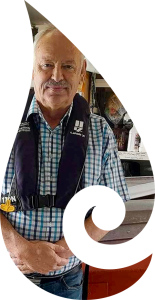
Lifejackets are essential for all recreational activities on the water. Everyone on board a boat 6 metres and under should wear a lifejacket. Make sure the lifejacket fits you correctly. Adults wearing lifejackets in front of the children sets a good example. - Reach me, See me, Hear me.
Active supervision of children at all times is crucial to prevent drownings from happening. Active supervision means children are within sight and reach and the supervisor isn’t distracted. Add other layers of protection such as pool fences and gates or eliminating the risk by emptying paddling pools after use.
Chief executive of Drowning Prevention Auckland, Davin Bray has said “drowning is silent – there is no splash or scream to alert you. As a father I know how quickly things can happen with children, who are inquisitive and naturally drawn to water”. - Don’t underestimate the risks, don’t overestimate your ability
Know your limits. Don’t assume your level of competence in the pool is the same in moving, cold open water. - 4Rs Bystander Rescue = Recognise, Respond, Rescue,Revive.
Recognise: Drowning occurs quietly so its important to recognise when someone is in trouble. Look for signs of distress,like they can’t swim or they look afraid or like they are struggling. Shout“Are you ok”. Ask yourself how you think you can help. Also think, how can others help.
Respond: If the person needs help, provide flotation. Send for help, get someone to call 111 and ask for police.
Rescue: Rescuing from land is the safest. Getting in the water puts the rescuer at risk of drowning themselves. If there is no other option, remember to take a flotation aid. Stay clear of the person – a drowning person can easily drag you under. Often reassurance and encouragement to kick, float on their back or swim to safety can work.
Revive: Provide care to rescued person. If the person is unresponsive and not breathing normally start CPR. If breathing, keep airway clear and put in recovery position. Stay until help arrives. Ensure the person gets medical attention.
For further questions, please contact: samantha@dpanz.org.nz
[1] WSNZ (2018). Drownbase. New Zealand and Auckland Region Preventable and Non Preventable Drowning Fatalities 2013-2017.